

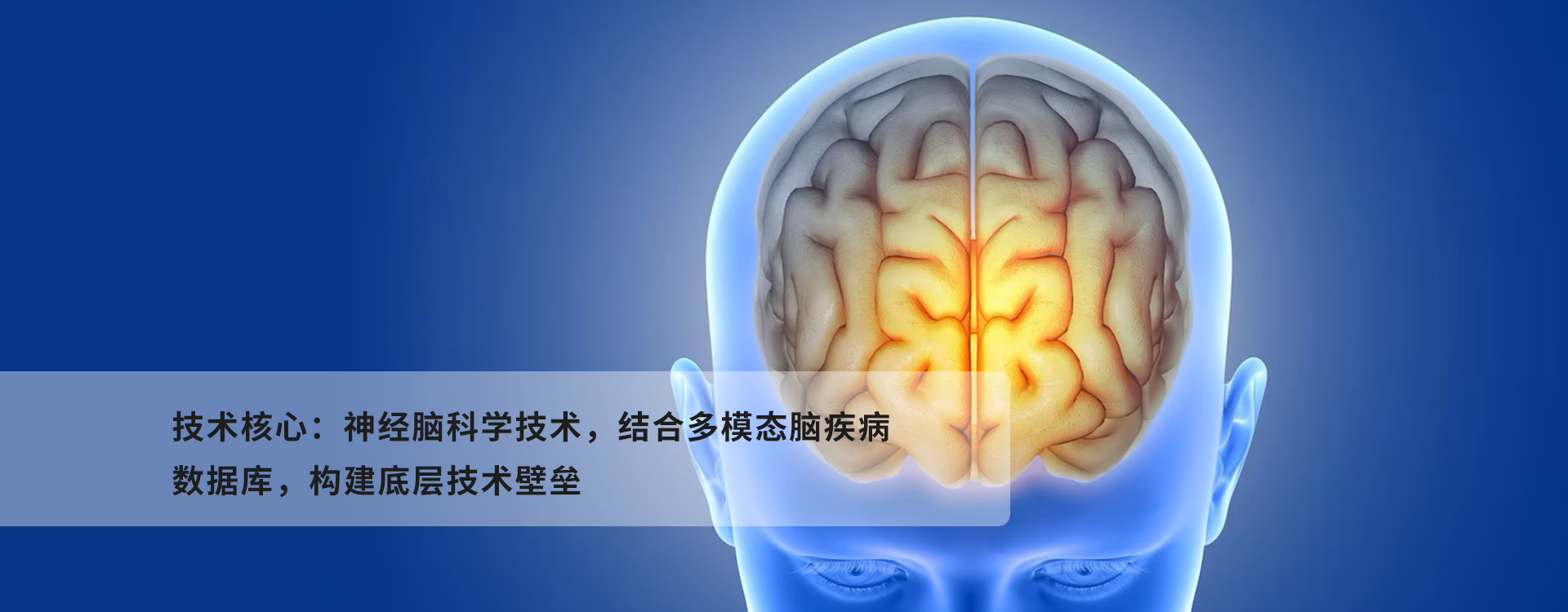
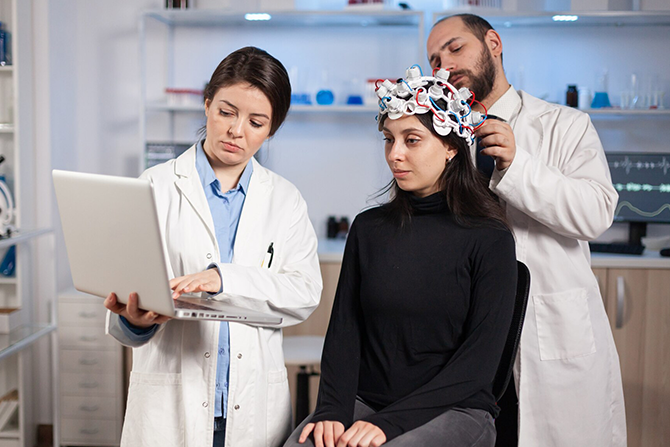
The Shenzhen Bay Laboratory EEG Database (SZBL-EEG) was established with the support of the Shenzhen Bay Laboratory and Shenzhen People's Hospital, aiming to provide the scientific community with large-scale EEG datasets for various neurological diseases. With a focus on the prevention and intervention of major diseases such as neurodegenerative diseases, cutting-edge research in neuroscience is conducted through data sharing, to address significant scientific issues related to population and health.
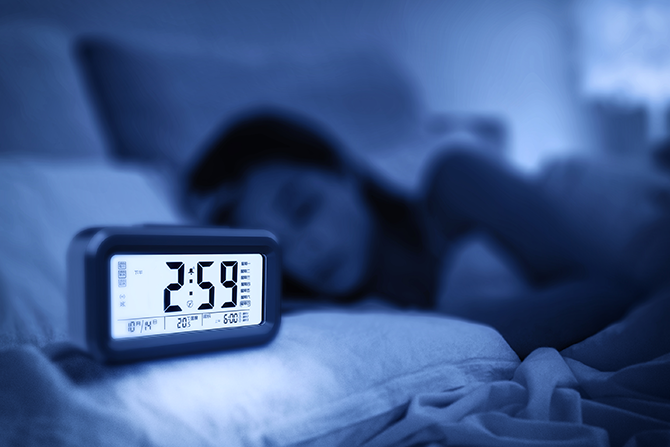
Unlike databases that focus on a single disease, we will include a wide range of diseases. This is to promote the identification of biological markers that distinguish between them. Also, the database provides extensive clinical and related information on psychiatry, behavior, cognition, and more. This strategy will also enable scientists to evaluate and refine the boundaries between diseases from a biological perspective. Currently, the database is built around four cohorts: neurodegenerative diseases, affective disorders, traumatic injuries, and healthy individuals. With a focus on major neurological disorders such as dementia, Parkinson's disease, sleep disorders, depression, and anxiety, the database has collected collaborative data from over 1800 cases. This platform will greatly support the development of clinical medicine in the Greater Bay Area, and promote the research of the brain functional network of human brain diseases, ultimately achieving the goal of reducing the incidence of brain diseases, alleviating the social and financial burden of brain diseases, and improving the quality of human life. By 2025, multiple clinical cooperation points for brain science databases will be established across the country. Meanwhile, we will establish a cooperation and sharing mechanism with the mainstream biological databases. We will strive to build one of the world's largest all-dimensional EEG databases.
 神经性疾病
神经性疾病 神经退行性疾病
 精神状态疾病
 健康人群
健康人群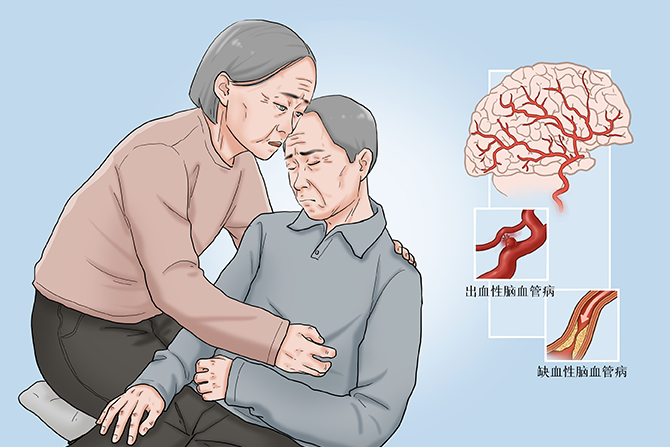
















 登录
登录